
This post is part of a new “Why We Do What We Do” series, explaining the biblical and historic practices of the Church.
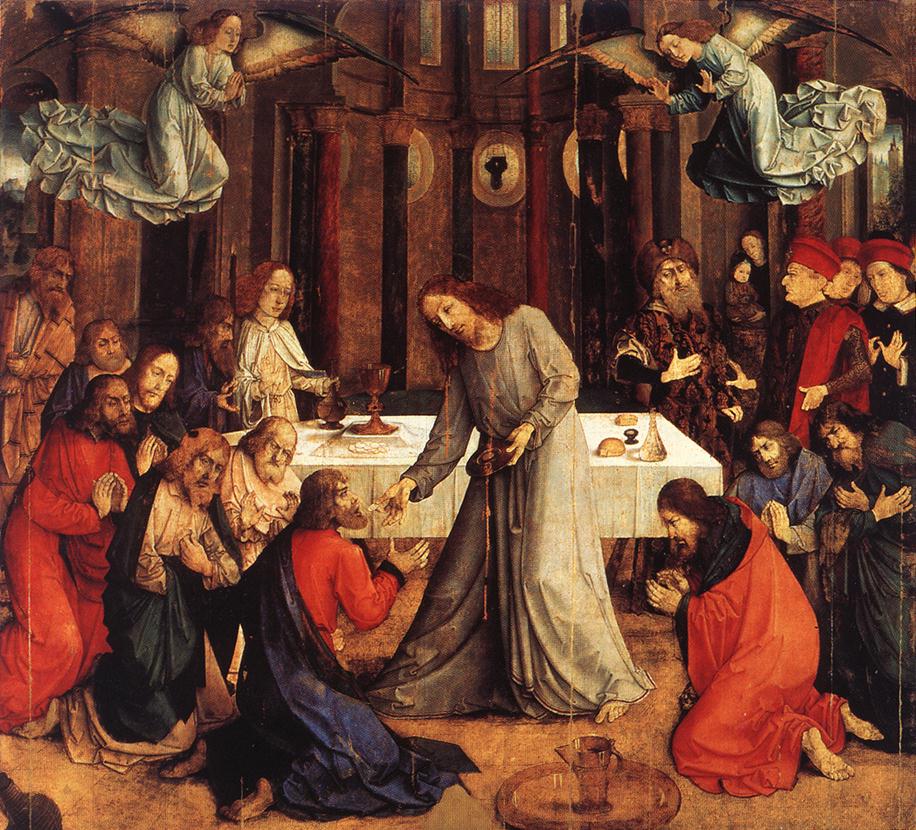
FROM THE EARLIEST CENTURIES OF THE CHURCH, Christians have approached the Holy Sacrament with fear, love, and deep reverence. The way we receive the Body of Christ is never a matter of mere technique or personal preference but must take into account what Scripture says is actually happening in the Supper. Our bodily posture confesses what we believe about who Christ is, who we are, and what He is giving in this most holy gift.
Holy Scripture consistently teaches that man is by nature sinful and unclean and so unworthy to handle the holy things of God. This confession is not meant to shame the faithful, but to tell the truth about our condition apart from Christ. The prophet Isaiah, when brought into the presence of the Lord, does not congratulate himself for drawing near. Instead, he cries out, “Woe is me! For I am lost; for I am a man of unclean lips.” Only after a seraph touches his lips with a burning coal from the altar does he hear the Gospel: “Now your guilt is removed, and your sin forgiven” (Isaiah 6:5–7).
The Church has long understood this passage as a powerful image of the Holy Sacrament. The forgiveness of sins is not achieved by Isaiah’s effort or worthiness. It is delivered to him by God, from the altar, through an appointed servant. In the same way, Christ places His own Body upon the lips of His people, forgiving sins and cleansing the unclean. Receiving the Host on the tongue vividly confesses this biblical reality: we do not take Christ for ourselves; He gives Himself to us.
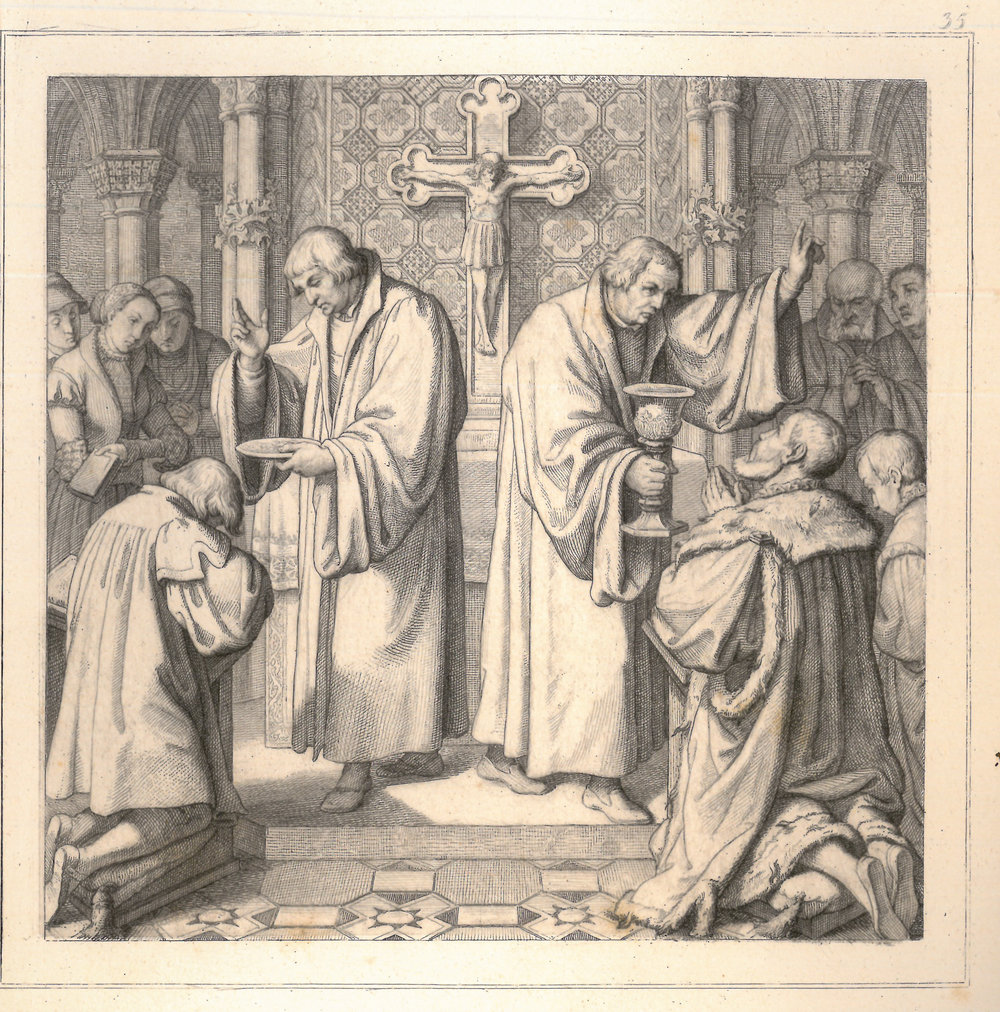
This confession is further reinforced by the Church’s historic practice of the lavabo—the washing of the celebrant’s fingers. The celebrant’s hands are not holy by nature, but are set apart by the Word of God and prayer for the handling of the Sacrament. As Psalm 26 declares, “I wash my hands in innocence and go around Your altar, O Lord.” The Church has therefore guarded the handling of the consecrated Host with care, not out of superstition, but out of reverent faith in Christ’s true presence.
Receiving the Body of Christ on the tongue beautifully embodies the Gospel itself. In the Sacrament, we contribute nothing. We bring no work, no worthiness, no act of devotion sufficient to earn what is given. We simply open our mouths, like beggars before a merciful Lord, and receive what He promises. This posture teaches us again that salvation is by grace alone, given freely for Christ’s sake.
For these reasons, the Church has consistently preferred reception of the Host on the tongue as the clearest confession of reverence, humility, and faith in Christ’s gift. While the Church does not bind consciences with an absolute requirement, she does encourage practices that best teach and protect the faith. To receive on the tongue is to let the body confess what the heart believes: that Christ alone acts, Christ alone gives, and Christ alone forgives sins in His holy Sacrament.
Series: Why We Do What We Do
Understanding the theology, Scripture, and historic practice of Christian worship at All Saints.
 All Saints Lutheran Church and School
3 thoughts on “Receiving the Body of Christ with Reverence”