
Your Sorrow Will Be Turned into Joy

A sermon for Jubilate (the third Sunday after Easter), by Fr. Josh Leigeber.
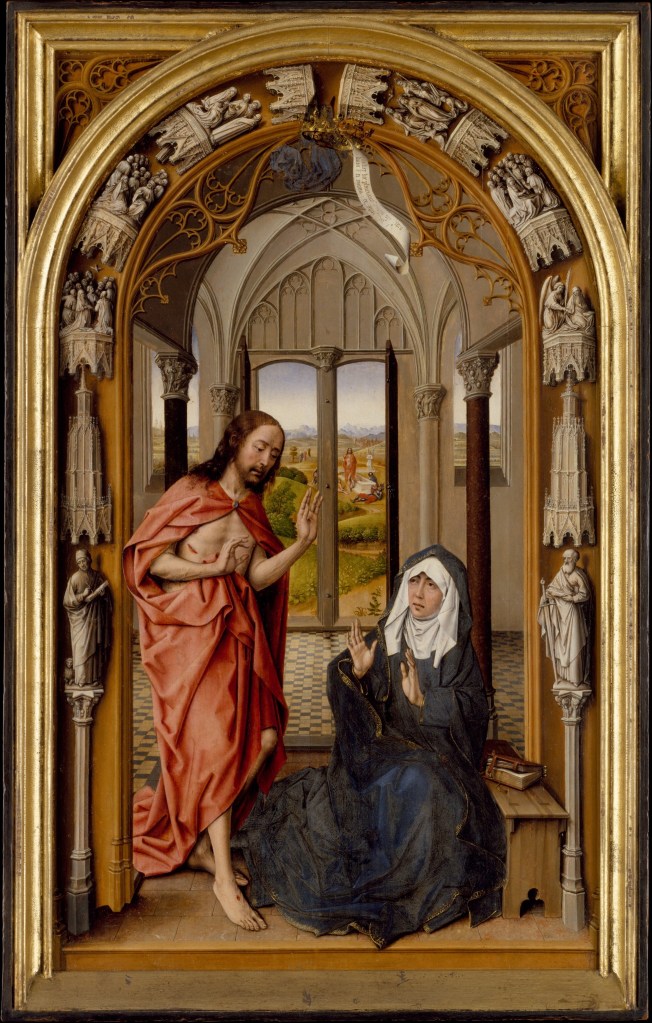
In this Jubilate sermon, the promise of the Gospel of John 16 stands at the center: “a little while” of sorrow gives way to lasting joy in Christ. Jesus prepares His disciples—not only for His death and resurrection, but for the whole span of the Church’s life between His ascension and His return. Christians live as “resurrection people,” united to Christ in Baptism, bearing present struggles with a sure and living hope.

Drawing on Augustine of Hippo, the sermon reflects on jubilate as a joy that exceeds words—a gladness that spills over in song, especially in the Church’s Alleluias. This Easter joy persists even amid suffering, because it is grounded in Christ’s victory over sin and death.

Jesus’ image of childbirth frames the Christian life: real sorrow now, but a joy that overwhelms it when the new life is revealed. This applies to the disciples’ grief at the cross, the Church’s present longing during Christ’s hidden reign, and even the groaning of all creation (as in Epistle to the Romans 8) awaiting restoration. The Church herself is seen as a mother, bearing new life through Word and Sacrament and rejoicing in the new birth of her children.

The result is a life marked by confident, communal joy—expressed in the Divine Service and overflowing even into fellowship together. Even now, amid temporary suffering, Christ’s people sing: Jubilate Deo.
Like Newborn Infants

A sermon for Quasimodo Geniti (the Octave of Easter), by Fr. Josh Leigeber.

This Sunday’s homily for Quasimodo Geniti centered on the Christian life as one of new birth and continual dependence on Christ. Even as we grow and mature in the faith, we never outgrow being “like newborn infants” (as the Introit reminds us), but remain wholly dependent on God’s care, nourished by the “sincere milk of the Word.”

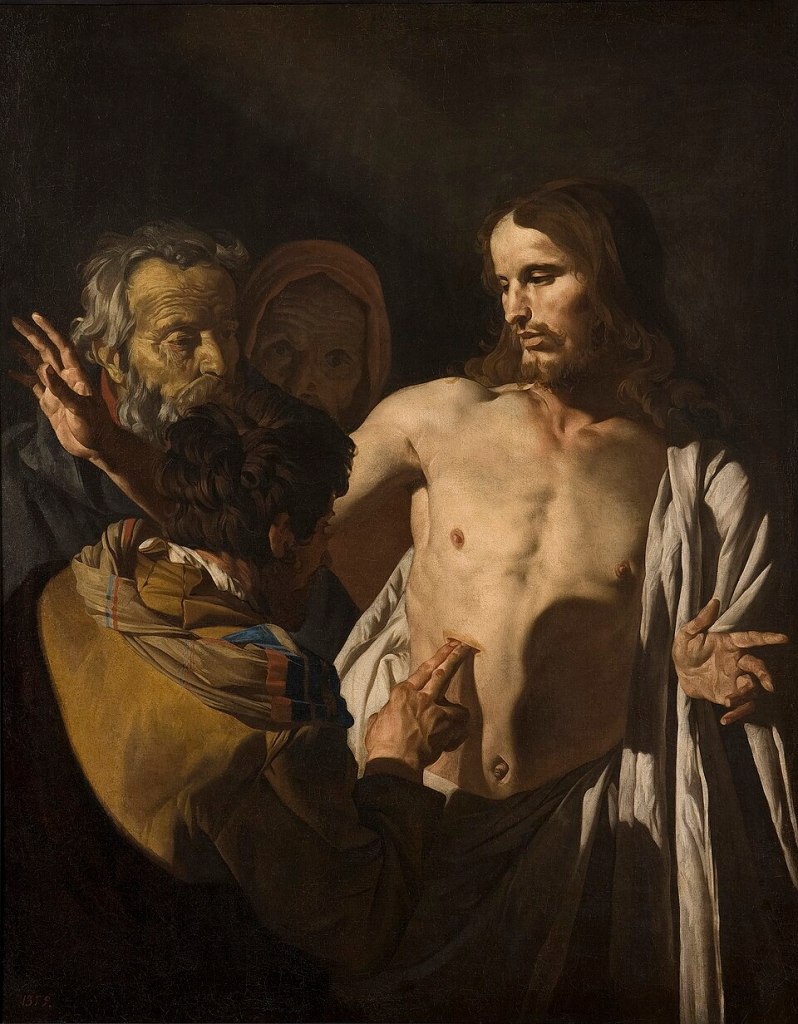
Drawing on the Gospel lesson from John 20, the sermon highlighted how faith itself is not self-generated but given by Christ, who comes to His fearful disciples and creates faith through His Word. In the same way, the risen Lord continues to come to His Church today—through the ministry He instituted—to deliver forgiveness, life, and salvation by means of His Word and Sacraments.

Especially in light of the baptisms at the Easter Vigil, we were reminded that the Christian life is never one of self-sufficiency, but always one of receiving. As Luther said, “We are beggars. This is true.” Christ continually gathers His people in the Divine Service to feed, forgive, and sustain them.

And so the call remains: return again and again to where Christ gives His gifts, and “like newborn infants, desire the pure milk of the Word.” Alleluia.

The Humble King: A Sermon for Palm Sunday

A sermon for Palm Sunday, by Father Jerome Leckband.

In his homily for Palm Sunday, Father Leckband explores the striking contrast between the world’s definition of power and the “strange kingship” of Jesus Christ. As we enter Holy Week, we are invited to look past the waving palm branches to see the true nature of the King who comes to save us.

The Contrast of Kingship

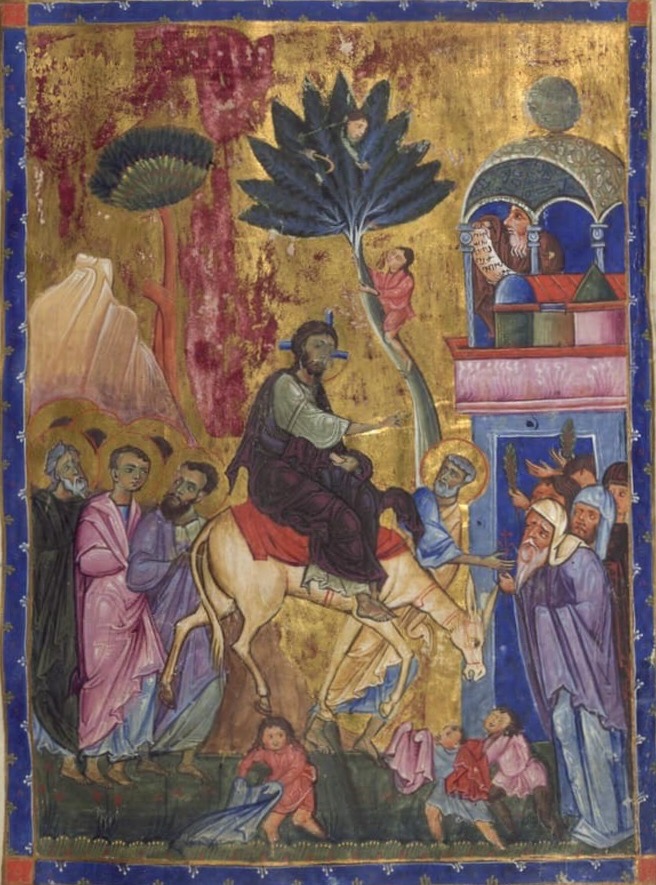
The sermon highlights the intentional humility of Jesus’ entry into Jerusalem. While worldly kings ride on warhorses to demonstrate military might and dominance, Jesus arrives on a humble beast of burden. This is not a king who comes to be served, but one who comes to serve. His authority is not found in earthly political power, but in his perfect obedience to the Father.

The Mind of Christ

Drawing from St. Paul’s exhortation in Philippians 2, Father Leckband reminds us that the “mind of Christ” is defined by self-emptying love.

  • The Descent: Christ, though being in the form of God, did not cling to his divine privileges but “made himself nothing.”
  • The Goal: His journey into Jerusalem is a deliberate step toward the cross. He does not enter the city to take a throne of gold, but to ascend a throne of wood.

Our Participation in His Passion

The Palm Sunday liturgy, with its shift from “Hosanna” to “Crucify Him,” serves as a mirror for the human heart. We are reminded that the same crowd that welcomed him with joy soon turned against him. However, the message of the Gospel is that Christ remains steadfast. He enters Jerusalem knowing full well the cost, enduring the shame and the suffering for our sake.

Looking Toward the Cross

As we follow Jesus into this Holy Week, we are called to lay down our own pride and “palm branches” of self-righteousness. Our hope is not found in our own loyalty, which so often wavers, but in the unwavering faithfulness of the King who rode into the city to die so that we might live.

“He humbled himself and became obedient to the point of death, even death on a cross.”

You can listen to the full homily below.