

On the Seventh Sunday after Trinity (Aug. 3), Father Leigeber preached on Christ’s miraculous feeding of the four thousand (Mark 8:1–9), reminding us that God alone provides our daily bread—both for this life and for the life to come.
The multitude in the Gospel lesson left everything behind to hear Jesus’ Word, going without food for three days. Their hunger for the Word of God outweighed their bodily needs—a striking example of the truth that “man does not live by bread alone, but by every word that proceeds from the mouth of God.”
Jesus, seeing their need, feeds them miraculously with seven loaves of bread and a few small fish—showing that God is the giver of all things, physical and spiritual. Father Leigeber reminded us that our meals, our homes, our families—everything—are gracious gifts from our heavenly Father. This is why Christians pause to pray before meals, following the example of Christ Himself.
Yet the feeding miracle points beyond mere daily sustenance. The language of taking, blessing, breaking, and giving the bread to the disciples draws our attention to the Holy Eucharist, where Christ feeds His Church with His very Body and Blood. Just as He used the disciples to distribute bread to the people, so today He uses pastors to deliver His heavenly gifts in Word and Sacrament.
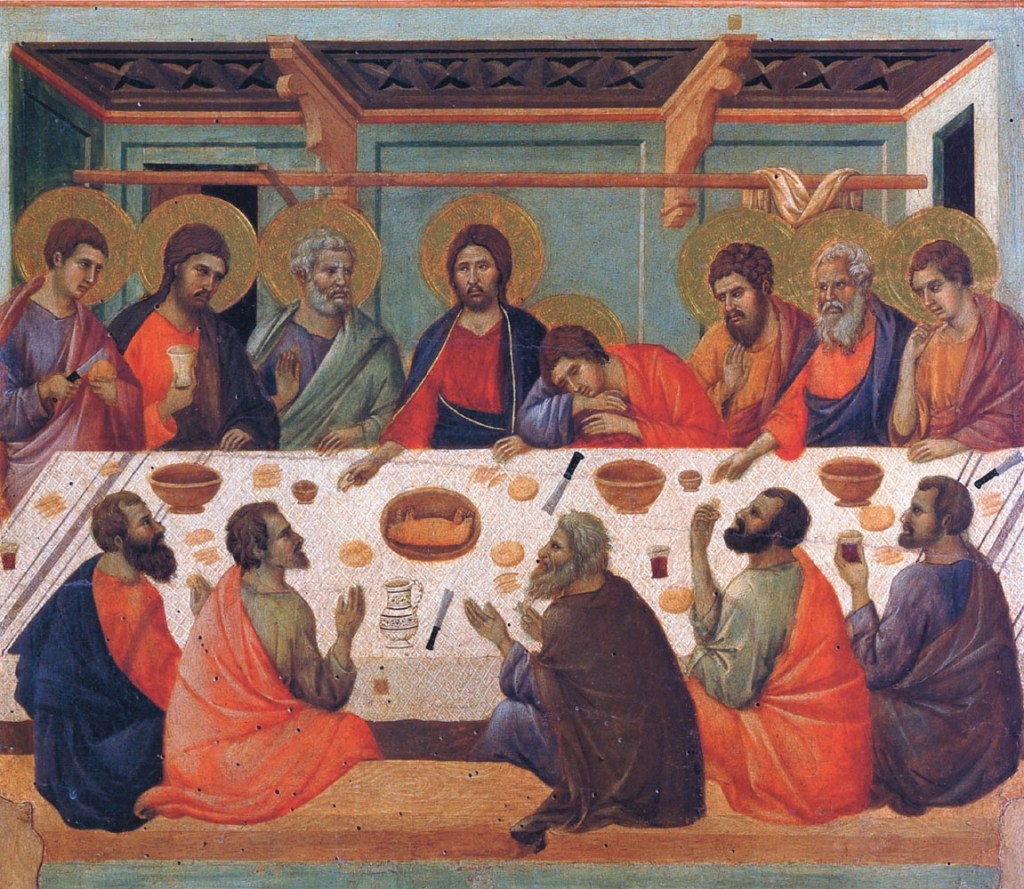
In a world of busyness and distraction, we are tempted to neglect this miraculous Meal. But Jesus’ compassion remains. Even if we’ve been forgetful or careless, He still offers Himself to us. Every Sunday, Christ performs a miracle—nourishing and sustaining His people with the Bread of Life, for the strengthening of faith and the hope of resurrection.
Let us never forget the Source of all good things. And let us give thanks, both at our tables and at His altar: “O give thanks unto the Lord, for He is good, and His mercy endures forever.”
Listen to the entire sermon:
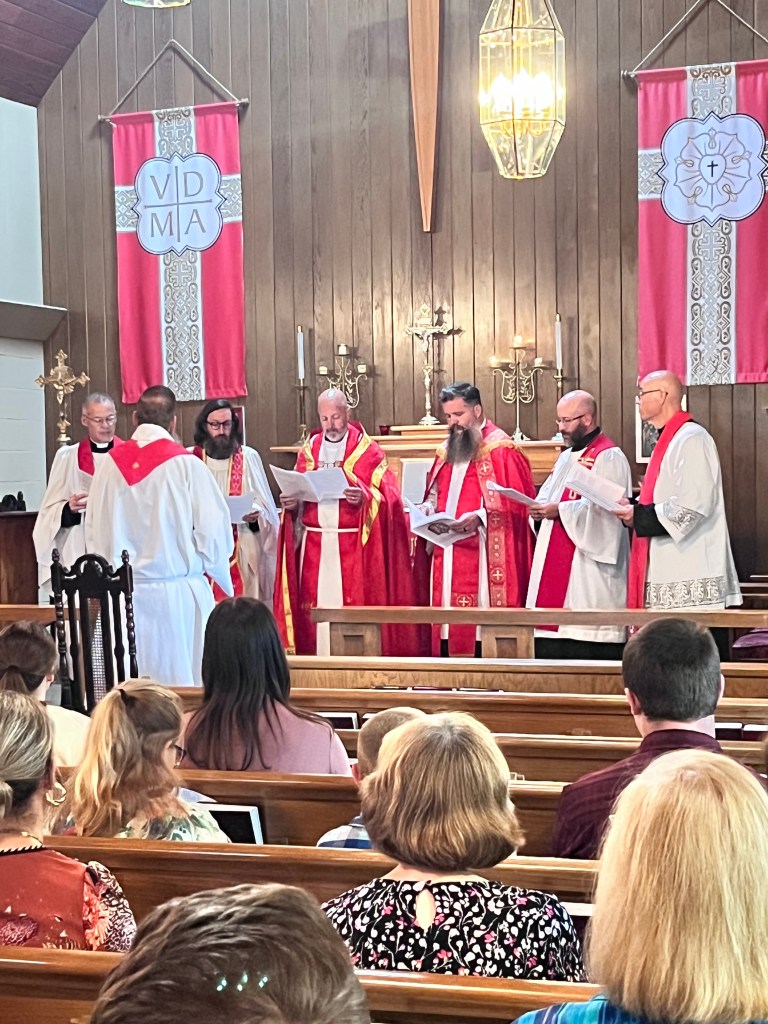

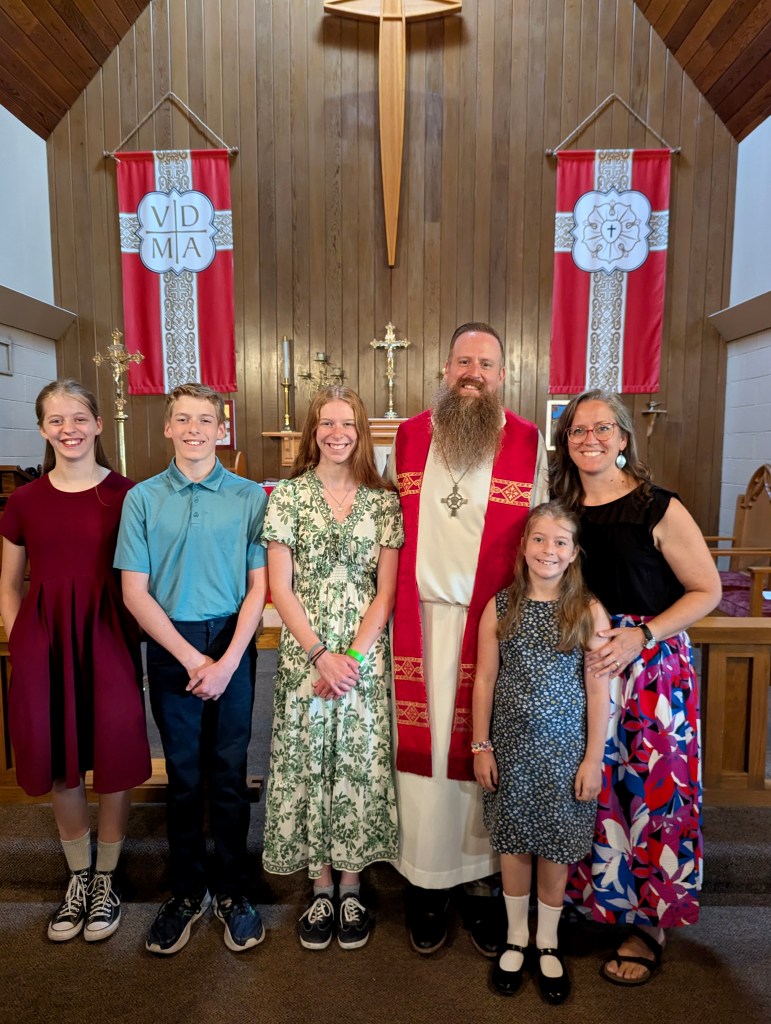

 All Saints Lutheran Church and School