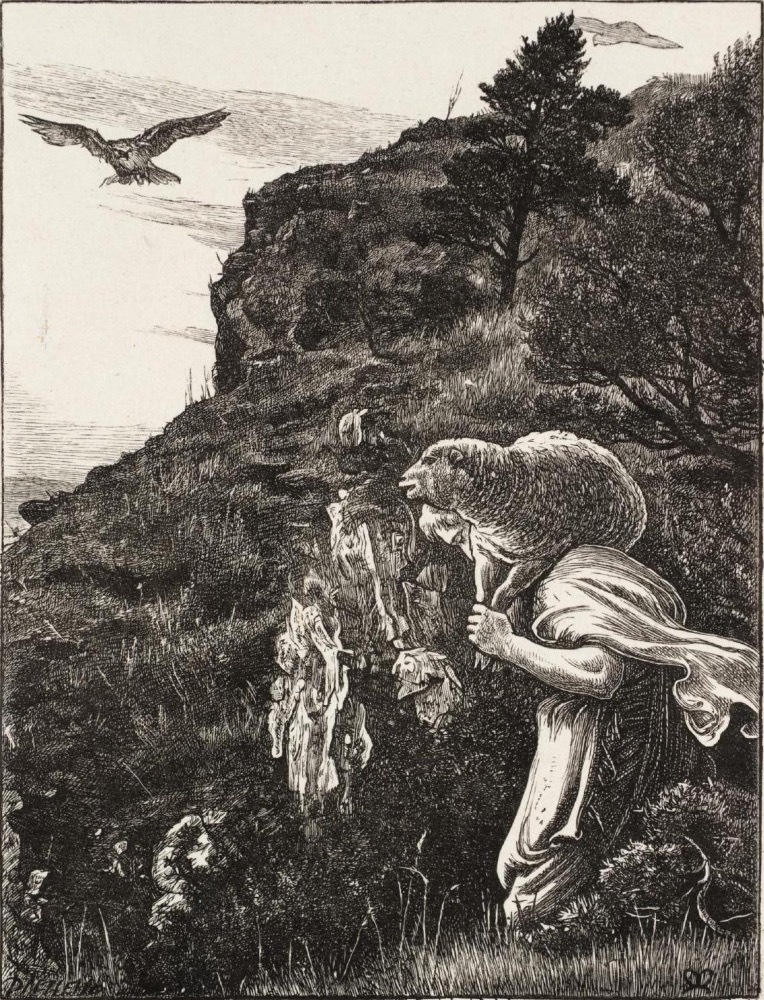
Earthly & Heavenly Bread – A Homily on Mark 8:1-9

On the Seventh Sunday after Trinity (Aug. 3), Father Leigeber preached on Christ’s miraculous feeding of the four thousand (Mark 8:1–9), reminding us that God alone provides our daily bread—both for this life and for the life to come.

The multitude in the Gospel lesson left everything behind to hear Jesus’ Word, going without food for three days. Their hunger for the Word of God outweighed their bodily needs—a striking example of the truth that “man does not live by bread alone, but by every word that proceeds from the mouth of God.”

Jesus, seeing their need, feeds them miraculously with seven loaves of bread and a few small fish—showing that God is the giver of all things, physical and spiritual. Father Leigeber reminded us that our meals, our homes, our families—everything—are gracious gifts from our heavenly Father. This is why Christians pause to pray before meals, following the example of Christ Himself.

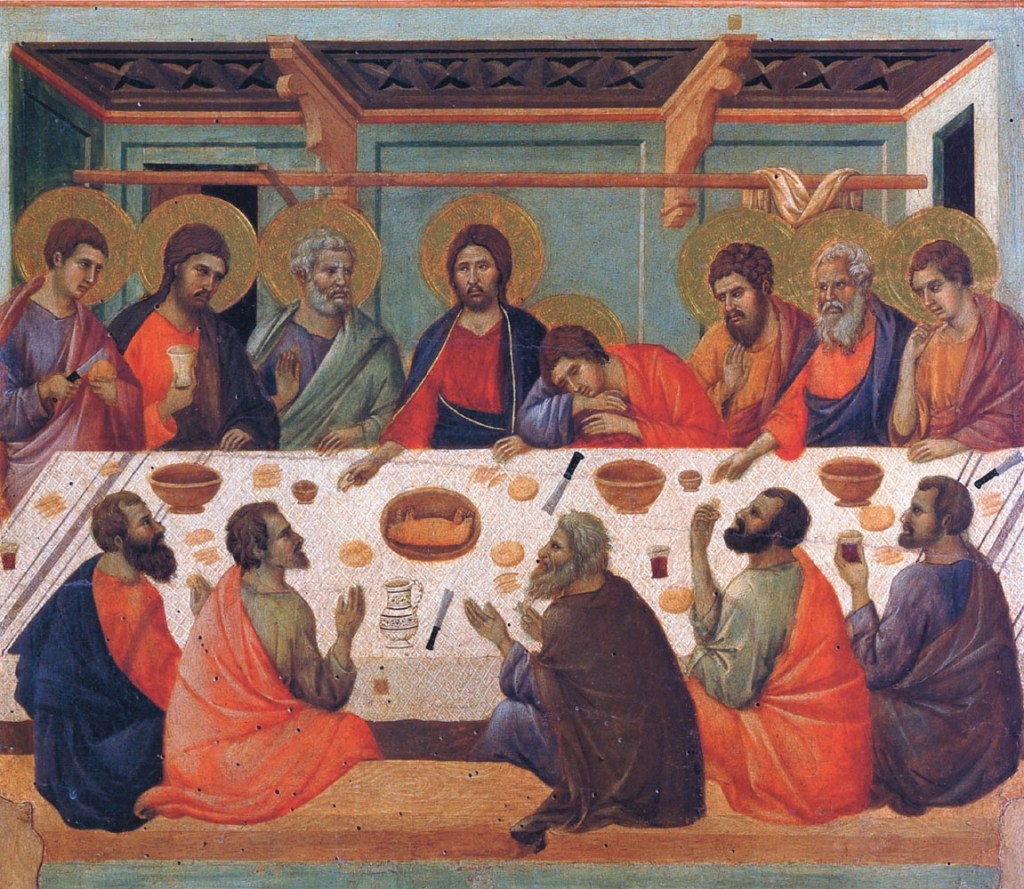
Yet the feeding miracle points beyond mere daily sustenance. The language of taking, blessing, breaking, and giving the bread to the disciples draws our attention to the Holy Eucharist, where Christ feeds His Church with His very Body and Blood. Just as He used the disciples to distribute bread to the people, so today He uses pastors to deliver His heavenly gifts in Word and Sacrament.
In a world of busyness and distraction, we are tempted to neglect this miraculous Meal. But Jesus’ compassion remains. Even if we’ve been forgetful or careless, He still offers Himself to us. Every Sunday, Christ performs a miracle—nourishing and sustaining His people with the Bread of Life, for the strengthening of faith and the hope of resurrection.

Let us never forget the Source of all good things. And let us give thanks, both at our tables and at His altar: “O give thanks unto the Lord, for He is good, and His mercy endures forever.”

Listen to the entire sermon:

Free to Live in Peace

In Sunday’s homily, Fr. Jerome Leckband reminded us that the Ten Commandments were not given to enslave us, but to guide those already set free. Just as God rescued Israel from Egypt before giving them the law, so He sets us free from sin through Holy Baptism before calling us to live holy lives. The commandments describe the life of the redeemed—they don’t earn us righteousness, but show how the righteous, made so by faith in Christ, are to live.

Jesus challenges the shallow righteousness of the Pharisees, showing that sin begins not just in outward actions, but deep in the heart. Anger, left unchecked, leads to bitterness, pride, and even hatred. Rather than justify our anger, we are called to examine it, confess it, and seek reconciliation. Jesus says that if we approach the altar but harbor resentment against a brother, we must first seek peace before offering our gift.

God has made peace with us in Christ, forgiving our sins and reconciling us to Himself. As free people, we now live out that peace by confessing our own wrongs, forgiving those who wrong us, and treating our anger not as a right but as a sin to be laid before God. Love for God and love for neighbor are indivisible. In Christ, we are freed not to hate, but to live in peace with one another. “When God gives this peace to us, He also fills us with his Spirit so that we may learn to love as we have been loved.” Listen to the entire homily here.

Repentance is God’s Work

Repentance is God’s gracious work—His seeking, finding, and restoring of the lost—and yet it is a resistible work of God. Like the lost sheep or coin (Luke 15:1-10), we cannot find ourselves; God must bring us to repentance and faith through His appointed means: Word, Sacrament, and the ministry of the Church. Just as we cannot become Christians on our own, neither can we remain Christians apart from God’s continual work through the Means of Grace. This is important for us to remember, both for ourselves and for those we love. For those resisting God’s work to bring them home to the Church where He desires to feed them and care for them, we must not only pray, but also work to actively invite and encourage them to return to Christ, who still receives sinners and eats with them. Listen to Father Leigeber’s homily from yesterday to learn more.