Our Father & Mother

A sermon for the Second Sunday after Epiphany, by Fr. Josh Leigeber.

Juan de Flandes, ca. 1497

At the wedding at Cana, Jesus reveals the mystery of His love for the Church. The Church is the Bride of Christ and our Mother, through whom God gives us new birth, nourishment, and care by His Word and Sacraments. Christ’s first miracle taking place at a wedding is no accident: marriage is God’s creation and a living image of His faithful, self-giving love for His Bride.

Earthly marriage, as St. Paul teaches in Ephesians, reflects Christ’s sacrificial love for the Church—a love sealed by the dowry of His own blood, by which He cleanses and claims her as His own. The miracle at Cana points beyond itself to the greater miracle still given to us today. At the altar, Christ sustains His Church with a foretaste of the wedding feast to come, transforming wine into His blood and strengthening His Bride as she awaits the day when Christ and His Church will be joined forever at the marriage supper of the Lamb. Listen to the entire sermon below.

Your Life Isn’t Yours

A sermon for the Sunday within the Octave of Epiphany, by Fr. Dan Suelzle.

The Church is the body of Christ; a holy and set apart community who recognize that we are not our own. All that we have and all that we are is a pure gift from our merciful Father. In light of this, we offer our bodies as a living, holy, and acceptable sacrifice to God. Such a sacrifice takes tangible shape in the life of the Church as we are about our Father’s business. Rather than being conformed to the things of this world, we instead rejoice that our minds have been renewed and transformed, which has profound implications for how we live. We speak forgiveness to one another; we gather around the gifts of Word and Sacrament; we encourage and uplift one another with God’s promises—all because of the merciful sacrifice of Christ our Lord for us. Listen to the entire sermon below.

The Epiphany of Our Lord

Epiphany proclaims that Christ is revealed to the nations, and that the Gospel must continue to go out—and be heard. From the visit of the magi to the Church’s gathering today, Epiphany teaches where Jesus is to be found and why His presence matters.

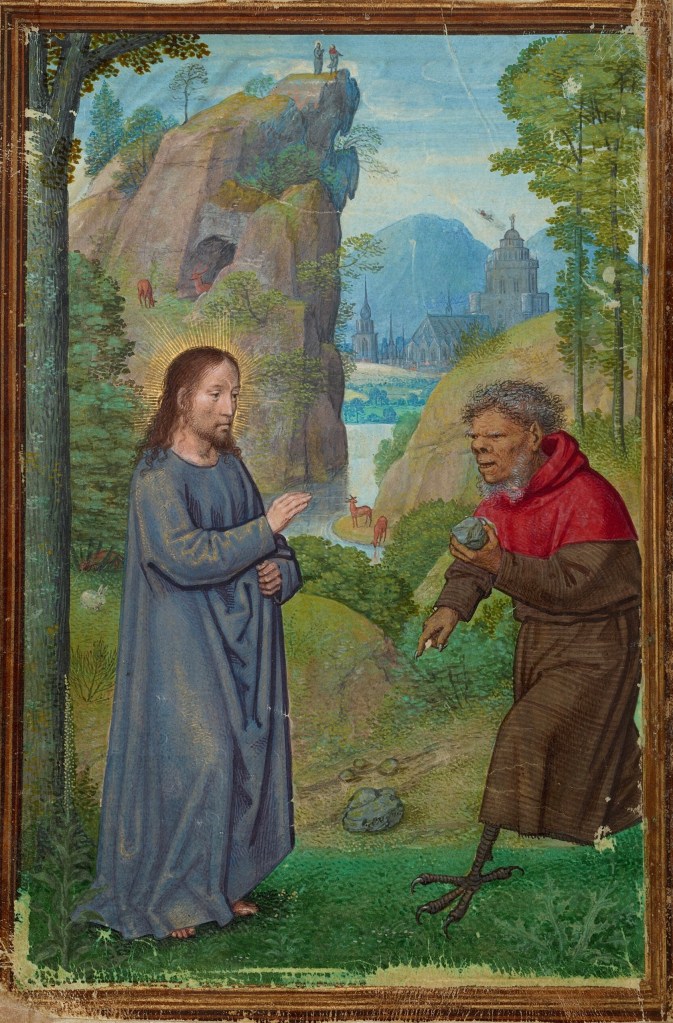
Just as King Herod sought to destroy the Christ Child, the devil still works to keep people from Jesus—not always through open persecution, but through distraction, busyness, and complacency. The danger is not usually dramatic, but subtle: the idea that worship can wait, that gathering around Word and Sacrament is optional, or that Christ can be found just as easily elsewhere. Yet the Scriptures warn that the devil prowls, and Christians are called to be watchful and to resist him.

The magi traveled great distances to worship the incarnate Lord. Their journey exposes how easily modern Christians can be tempted to treat Christ’s presence casually, even though He promises to be truly present for His people in the preaching of the Gospel and in the Holy Sacraments. Around the world, believers still risk everything to gather where Christ is, knowing that His gifts of forgiveness, life, and salvation are worth any cost.

Epiphany calls Christians to renounce the devil and all his ways, to resist complacency, and to rejoice in the reality that Jesus is not merely an idea or a feeling, but truly present where He has promised to be. Like the magi, the faithful are invited to come, to bow down, and to worship—bringing gifts of thanksgiving and support for the ongoing proclamation of the Gospel—rejoicing that Christ continues to dwell among His people.