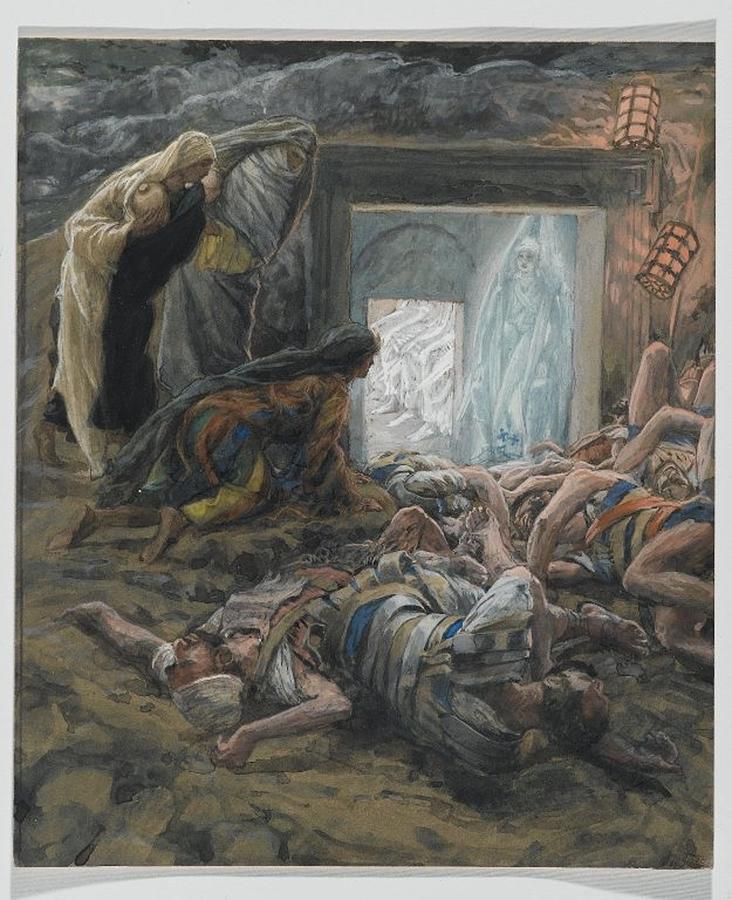
A sermon for the Resurrection of Our Lord, by Father Dan Suelzle.
Death is defeated. The grave has lost its sting. What authority and power can it really claim to have over us, who have been baptized into the Resurrection and the Life? Listen to Fr. Suelzle’s Easter homily below.
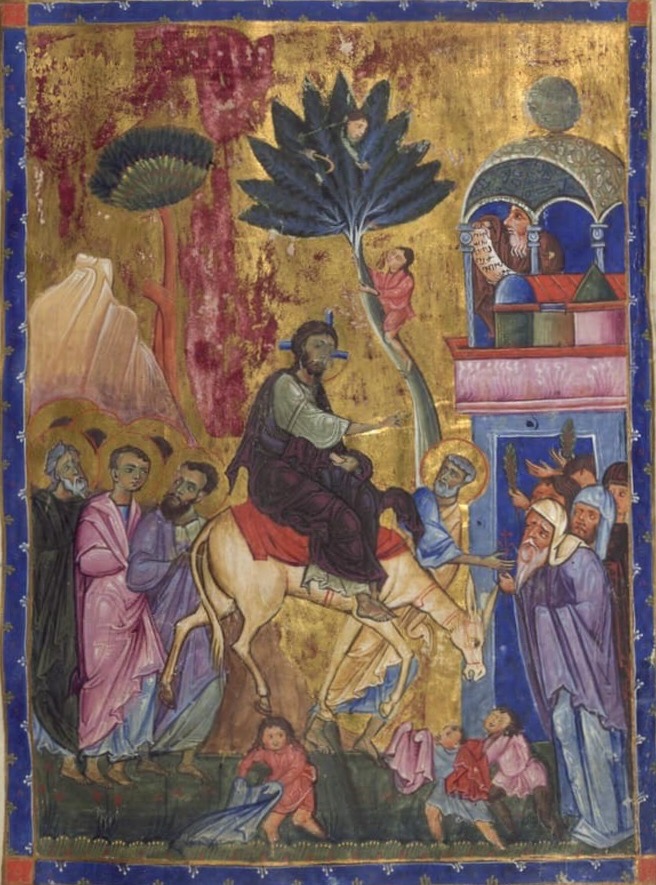
A sermon for Palm Sunday, by Father Jerome Leckband.
In his homily for Palm Sunday, Father Leckband explores the striking contrast between the world’s definition of power and the “strange kingship” of Jesus Christ. As we enter Holy Week, we are invited to look past the waving palm branches to see the true nature of the King who comes to save us.
The Contrast of Kingship
The sermon highlights the intentional humility of Jesus’ entry into Jerusalem. While worldly kings ride on warhorses to demonstrate military might and dominance, Jesus arrives on a humble beast of burden. This is not a king who comes to be served, but one who comes to serve. His authority is not found in earthly political power, but in his perfect obedience to the Father.
The Mind of Christ
Drawing from St. Paul’s exhortation in Philippians 2, Father Leckband reminds us that the “mind of Christ” is defined by self-emptying love.
The Descent: Christ, though being in the form of God, did not cling to his divine privileges but “made himself nothing.”
The Goal: His journey into Jerusalem is a deliberate step toward the cross. He does not enter the city to take a throne of gold, but to ascend a throne of wood.
Our Participation in His Passion
The Palm Sunday liturgy, with its shift from “Hosanna” to “Crucify Him,” serves as a mirror for the human heart. We are reminded that the same crowd that welcomed him with joy soon turned against him. However, the message of the Gospel is that Christ remains steadfast. He enters Jerusalem knowing full well the cost, enduring the shame and the suffering for our sake.
Looking Toward the Cross
As we follow Jesus into this Holy Week, we are called to lay down our own pride and “palm branches” of self-righteousness. Our hope is not found in our own loyalty, which so often wavers, but in the unwavering faithfulness of the King who rode into the city to die so that we might live.
“He humbled himself and became obedient to the point of death, even death on a cross.”
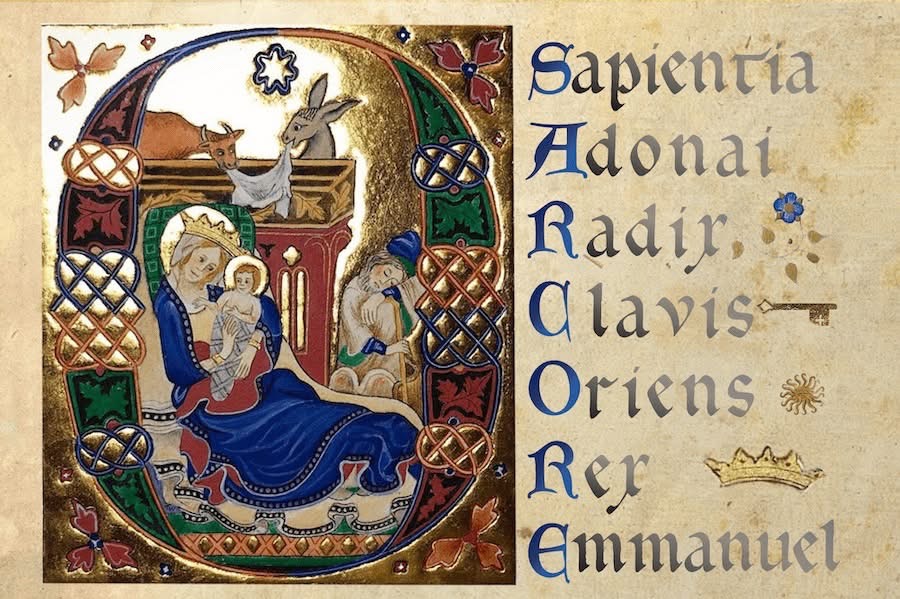
A sermon for the Fourth Sunday in Advent, by Fr. Josh Leigeber.
On the Fourth Sunday in Advent—anciently known as the Preparation—the Church prays a striking petition: that the Lord would come with power so that “whatsoever is hindered by our sins may be speedily accomplished through the mercy of Thy satisfaction.” This sermon reflects on the breadth of that prayer and the deep comfort it offers.
Sin has hindered every aspect of life—our joy and peace, our bodily life, our life together as neighbors, and ultimately our life with God. We contribute nothing to the restoration of these things but more sin and resistance. Yet Christ, by His satisfaction on the cross, has fully paid for sin and continues to apply the fruits of His work to us by grace until the final defeat of death itself.
Against a merely sentimental celebration of Christmas—one that offers fleeting emotional comfort—the true and lasting significance of the Nativity resounds in our ears: God the Son has come to dwell among us. Christmas is not a temporary feeling but a reality-changing event with ongoing consequences. In Christ’s real, gracious presence—especially as He comes to us now in His Word and Sacraments—what sin has hindered is truly being restored.
Echoing John the Baptist’s witness to “the One who stands among you,” the sermon calls hearers to recognize Christ present in the midst of His Church: restoring joy and peace, renewing bodily life with the promise of resurrection, uniting us as one Body, and reconciling us to God through forgiveness and the gift of faith.
Because of this, Christmas changes everything. The faithful prepare not for a fleeting holiday, but for the enduring mercy of God made flesh—who continues, throughout the year, to grant forgiveness, life, and salvation to His people. Listen to the full sermon below.
 All Saints Lutheran Church and School