
What follows is a guide for God’s people at All Saints, and for others who might find it useful.
This post is part of a new “Why We Do What We Do” series, explaining the biblical and historic practices of the Church.
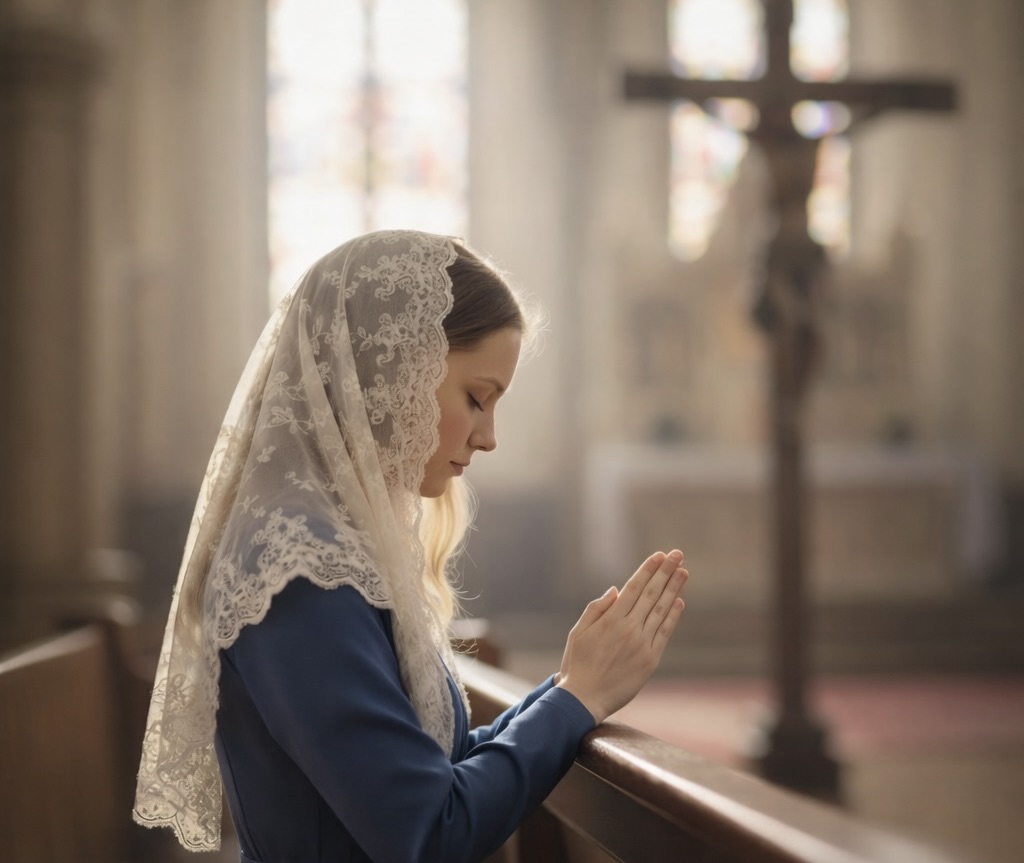
For many centuries, Christians have observed Lent as a season of repentance, prayer, and renewal. One of the ancient practices associated with this season is fasting. In recent years, All Saints has been recovering this discipline—not as a burden, but as a gift. As we approach Lent, it is helpful to consider what fasting is, why Christians have practiced it, and how it may be undertaken faithfully in the freedom of the Gospel.
The Scriptural Foundation
Fasting appears throughout Holy Scripture. Moses fasted on Mount Sinai (Exodus 34). David fasted in repentance (Psalm 35). The prophet Joel called Israel to “return to the Lord” with fasting (Joel 2:12). Our Lord Jesus Himself fasted for forty days in the wilderness (Matthew 4), and He assumed that His disciples would fast: “When you fast…” (Matthew 6:16), not “if.”
In the Book of Acts, the early Church fasted in times of prayer and discernment (Acts 13:2–3). Fasting, then, is not a medieval invention, nor a foreign custom. It belongs to the biblical life of God’s people.
Fasting and the Gospel
As Lutheran Christians, we are careful to confess that fasting does not earn God’s favor. It does not forgive sins. It does not make us more worthy of salvation. There is only one sacrifice for sin: the atoning death of Jesus Christ on the cross. Any attempt to use fasting as payment for sin turns it into a false work and robs Christ of His glory.
For this reason, Scripture and the Confessions place no binding laws on how Christians must fast. Practices have differed across centuries and cultures. As St. Irenaeus observed long ago, “differences in fasting do not destroy the unity of faith.” We fast, not by compulsion, but in freedom.
What Is Fasting?
Fasting and abstinence are related but distinct.
To fast is to eat less—to experience hunger.
To abstain is to refrain from certain foods, such as meat or rich foods.
The traditional fast of the Western Church was 1/4 meal for breakfast and lunch and a simple evening meal. Abstinence—especially from meat—was commonly practiced on Fridays.
The specific form of fasting may vary according to health, age, vocation, and circumstance. The goal is not to imitate a particular rule, but to practice moderation and self-discipline before God.
Why Do We Fast?
Our Small Catechism teaches that bodily discipline is “a fine outward training.” Fasting trains the Christian body and soul.
First, fasting teaches self-control. St. Paul writes that he disciplines his body lest he become disqualified (1 Corinthians 9:27). In a culture of constant indulgence, fasting reminds us that we are not slaves to appetite. Second, fasting deepens repentance. Hunger humbles us. It reminds us of our weakness and our dependence on God’s mercy. Third, fasting strengthens prayer. When we deny ourselves food, we become more attentive to our need for God. Physical hunger points us to a deeper hunger: “My soul thirsts for God” (Psalm 42:2). Fourth, fasting cultivates compassion. Going hungry in small measure unites us with those who lack daily bread. What we save through simpler living can be given to those in need.
Fasting, Prayer, and Almsgiving
Traditionally, fasting has never stood alone. It belongs with prayer and almsgiving—the three classic Lenten disciplines. By eating less, we often gain more time for prayer and Scripture. By spending less on food, we gain more resources for charity. Thus Lent becomes not a season of grim self-denial, but of renewed devotion and generosity.
How Might We Practice Fasting?
Each Christian should approach fasting thoughtfully and prayerfully. Some possibilities include:
• Eating smaller or simpler meals during Lent
• Abstaining from meat on Fridays
• Giving up rich foods, snacks, or alcohol
• Observing partial fasts on certain days
• Limiting eating between meals
Those with medical needs, demanding vocations, or other limitations should not burden their consciences. God desires mercy, not harm.
Begin modestly. Choose a discipline that is realistic. Pair it with prayer.
The True Purpose
Fasting is not about self-improvement. It is about re-centering our lives on Christ. By loosening our grip on earthly comforts, we learn again that “man does not live by bread alone, but by every word that proceeds from the mouth of God” (Matthew 4:4).
In the freedom of the Gospel, we discipline our flesh, strengthen our faith, and prepare our hearts to walk with Christ to the cross—and then to rejoice in His resurrection. May this coming Lenten season be for us a joyful time of repentance, renewal, and deeper trust in our gracious Lord.
Series: Why We Do What We Do
Understanding the theology, Scripture, and historic practice of Christian worship at All Saints.


 All Saints Lutheran Church and School