
This post is part of a new “Why We Do What We Do” series, explaining the biblical and historic practices of the Church.
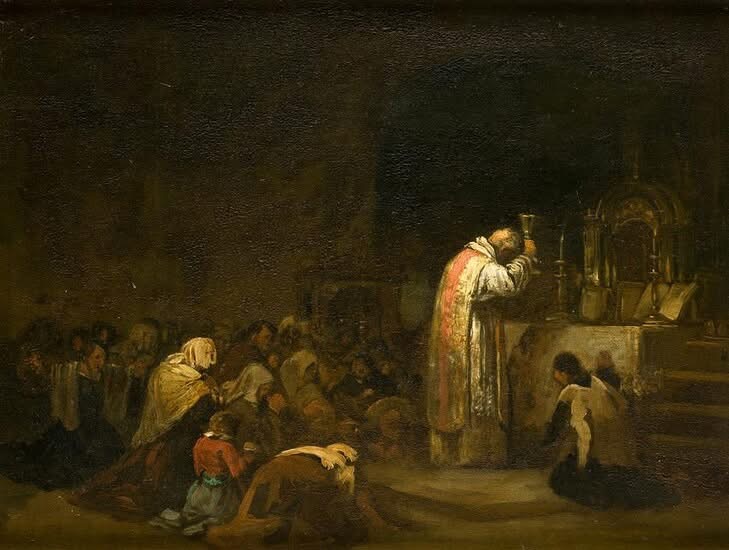
“All of life flows out of and back to the Divine Service.”
It is a simple saying, but it expresses something profoundly important about the Christian life.
The Divine Service as the Center of the Christian Life
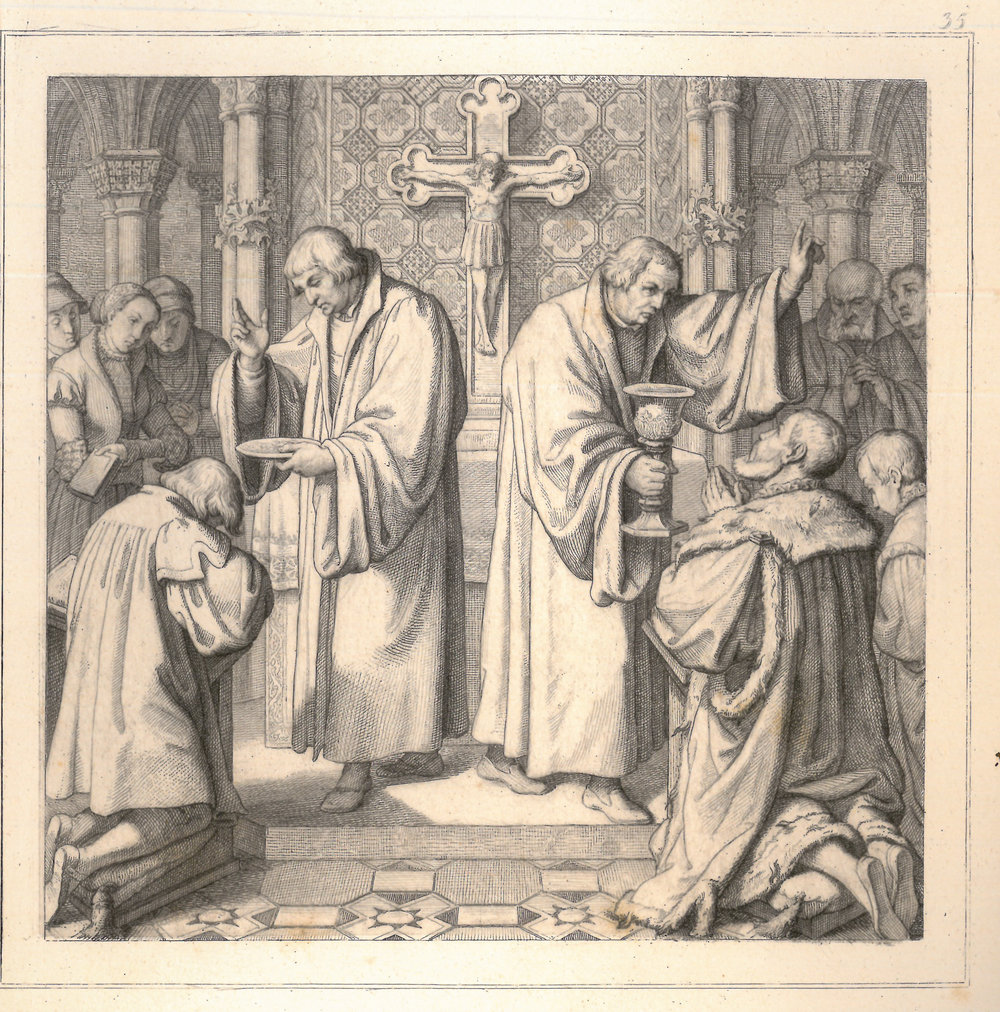
The Divine Service is not one activity among many in a Christian’s week. It is the centerpiece. There, Christ Himself serves His Church by giving His gifts—His Word of forgiveness, the salvation He accomplished on the cross, and His true Body and Blood for the life of the world.
Everything else in the Christian life flows from this reality. Our prayer, our vocation, our good works, our endurance in suffering, and our love for neighbor all flow out of what Christ gives us in the Divine Service. And everything else ultimately returns to it, as God gathers His people again and again to receive His gifts anew. The Divine Service is not primarily about our offering something to God, but about God giving Himself to us in mercy.
Faith as a Gift, Ongoingly Given and Received
Christians once understood this instinctively. Weekly attendance at the Divine Service was simply assumed. Over the past century—and even more so in the last twenty years—that assumption has steadily eroded. Today, even serious and sincere Christians often think of church attendance as something that happens once or twice a month rather than weekly.
What has been lost is not merely a godly habit, but a way of understanding how faith itself works. Holy Scripture reminds us that we are not the authors of our own faith, nor do we sustain or perfect it. Christ is “the author and finisher of our faith” (Hebrews 12:2). Faith is not something we generate from within ourselves; it is a gift continually given by God through the Holy Spirit, who creates and sustains faith through the hearing of the Word of Christ.
When Christians absent themselves from that Word and from the Sacrament, they are not simply taking a neutral pause. Faith is not stored up in advance. It must be received again and again from the Lord who delights to give it.
Strengthened or Eroded: There Is No Neutral Ground
The Scriptures are clear-eyed about the reality of spiritual warfare. The devil prowls around like a roaring lion, seeking someone to devour (1 Peter 5:8). Our struggle is not against flesh and blood, but against the spiritual forces of evil in the heavenly places (Ephesians 6:12). There is no neutral ground.
Either we are being strengthened and sustained by God through His gifts, or our faith is being slowly eroded away by the world, the flesh, and the devil. We are not strong enough to fend these enemies off on our own. As Blessed Martin Luther once remarked, if we could see how many fiery darts the devil is constantly shooting at us, we would run to the Sacrament of the Altar every chance we get.
Yet how easily we begin to think we can manage just fine without the Lord’s gifts for a week—or two—or more. In doing so, we underestimate both the seriousness of the battle and the generosity of the God who has provided exactly what we need.
Not Obligation, but Joy and Protection
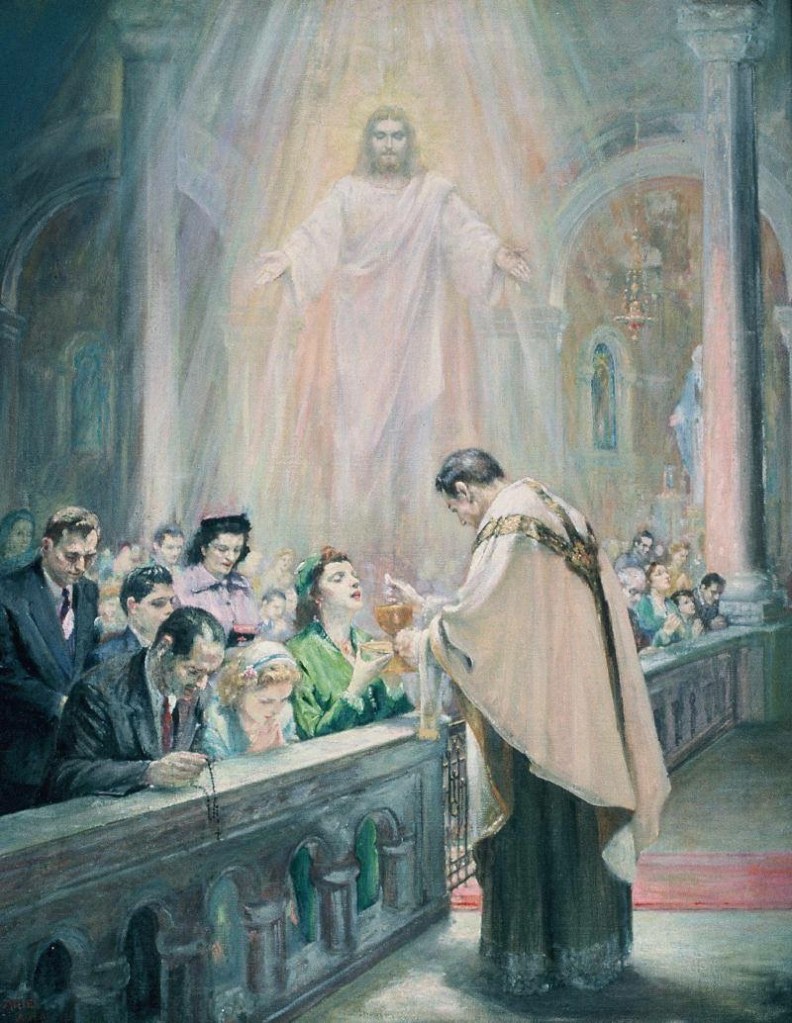
Christians do not attend the Divine Service because they have to. They attend because it is a joy. It is the joy of children who hear their Father’s voice. It is the joy of sinners who receive forgiveness. It is the joy of being fed at the Lord’s Table with the very Body and Blood of Christ, given and shed for us.
God gathers His children for our good and for our protection. That is why attendance at the Divine Service should be an automatic assumption of the Christian life. It should never be a question of whether we are going to church this week. As soon as it becomes a decision we weigh and debate, the devil has already begun to gain a foothold.
Those who treasure God’s grace and mercy should miss the Divine Service only in cases of genuine emergency or when work or road conditions truly make attendance impossible. And even then, Christians should seek out other opportunities during the week to receive the Lord’s gifts—such as Wednesday Divine Service or Evening Prayer.
God has given His Church an immeasurable blessing in the Divine Service. He has given His children the Means of Grace—and pastors to distribute them—so that faith may be created, sustained, and strengthened until the end. In these gifts, Christ Himself is at work for us.
So let us rejoice in what God so freely gives, and let us remember this simple truth:
All of life flows out of and back to the Divine Service.
Series: Why We Do What We Do
Understanding the theology, Scripture, and historic practice of Christian worship at All Saints.


 All Saints Lutheran Church and School