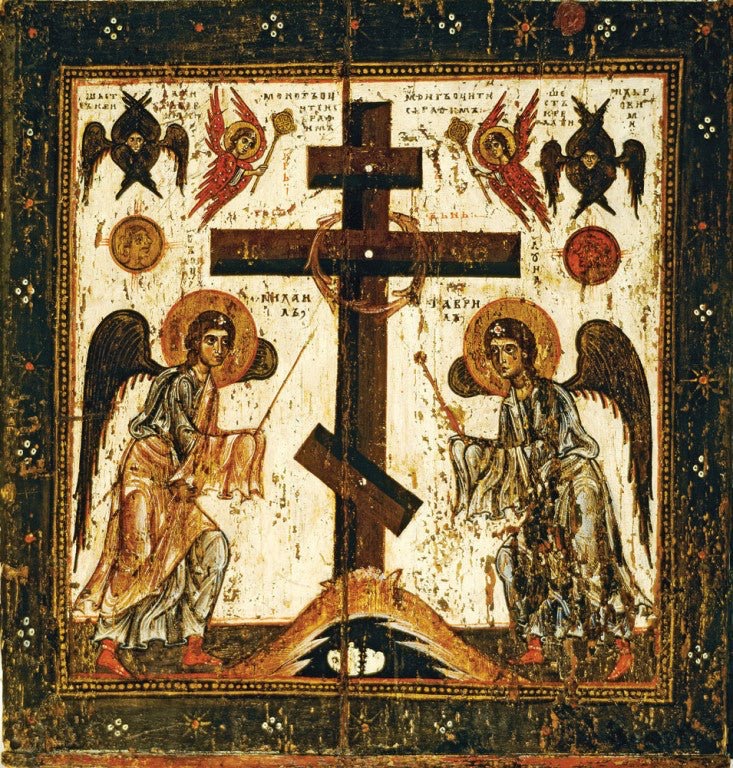
Christ, the Faithful Steward

Yesterday, we heard Christ’s teaching from Luke 16 about stewardship and how Jesus shows us what true stewardship looks like. The Father entrusted Him with everything—including fragile human flesh and blood—and He spent it all for you. Every step of His life, every word He spoke, every drop of His blood was given so that you might be forgiven and made a child of God.

That changes how we see our own lives. What we have—our time, our abilities, our possessions—isn’t really ours. They’re gifts from God, placed into our hands for the sake of others. Earthly things won’t last, but when they’re spent to share Christ’s love and His Gospel, God uses them for something eternal.

So take heart. Your salvation doesn’t rest on how well you manage what you’ve been given—it rests on Jesus, who has already secured it all for you. And now, with joy and freedom, you can use His gifts to point others to the one treasure that never fades: Christ Himself, who is your peace and your home forever.

Listen to the sermon:

Repentance is God’s Work

Repentance is God’s gracious work—His seeking, finding, and restoring of the lost—and yet it is a resistible work of God. Like the lost sheep or coin (Luke 15:1-10), we cannot find ourselves; God must bring us to repentance and faith through His appointed means: Word, Sacrament, and the ministry of the Church. Just as we cannot become Christians on our own, neither can we remain Christians apart from God’s continual work through the Means of Grace. This is important for us to remember, both for ourselves and for those we love. For those resisting God’s work to bring them home to the Church where He desires to feed them and care for them, we must not only pray, but also work to actively invite and encourage them to return to Christ, who still receives sinners and eats with them. Listen to Father Leigeber’s homily from yesterday to learn more.

Feast of Sts. Peter & Paul

Today (June 29) is the Feast of Saints Peter and Paul, the holy apostles “through whom we have received the beginning of our religion,” as we prayed during Mass in the ancient Collect of the Day. In Ephesians 2:20, we hear that as those who have been made members of the household of God, we are built upon the “foundation of the apostles.” What does all of this mean? How do the apostles–and these two men in particular–fit into a biblical, Christ-centered faith? Is the foundation upon which the Church (and we as members of it) are built the apostles as men (as important as they are) or is that foundation perhaps something, rather, which comes to us from the apostles but is more bound up with their doctrine and Scriptural writings? These two men teach us an important lesson today, a lesson which helps us remain on the via media and avoid the extremes of either papism or modern evangelical biblicism. Listen to the sermon below for more.