Thoughts of Peace and Not of Evil

A sermon for the Last Sunday of the Church Year, by Fr. Josh Leigeber.

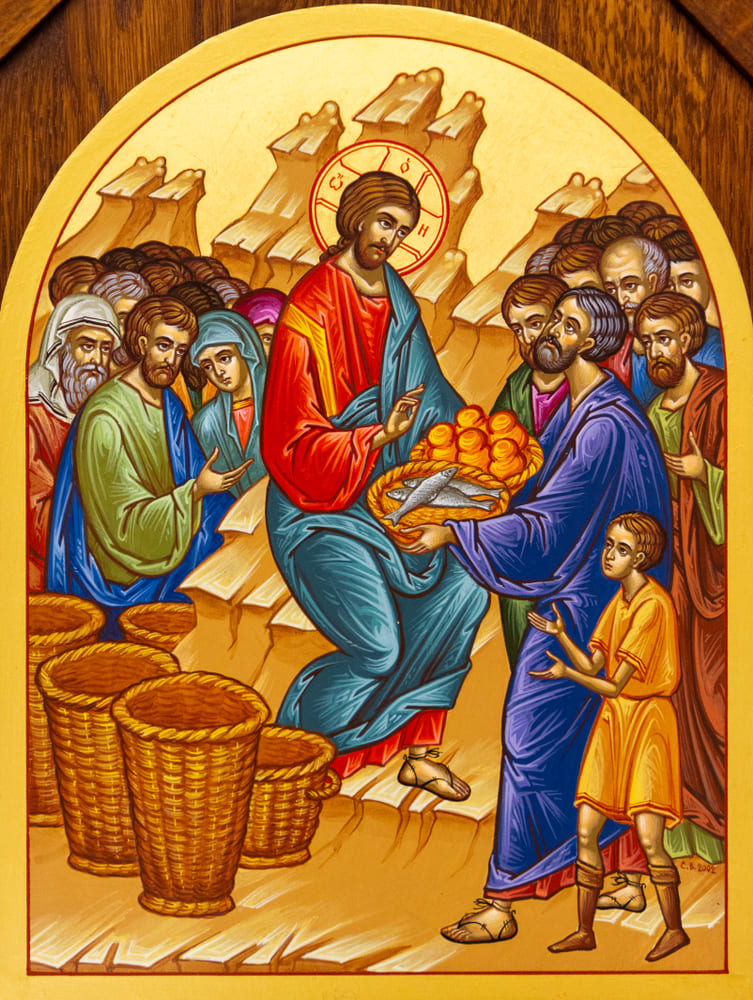
Parable of the Wise and Foolish Virgins, by Nicola Sarić.

This morning’s sermon proclaimed the heart of God toward His people: He desires to save. Scripture assures us that God’s thoughts toward us are “of peace and not of evil,” and that He has acted decisively in Christ to free us from captivity to sin, death, and the devil. Through Jesus’ suffering, death, and resurrection, our enemies are defeated, and we now have peace with our Father.

Because of this salvation, Christians look forward with eager joy to the Last Day—a day that will come suddenly, “like a thief in the night.” For those in Christ, it is not a day of wrath but of homecoming, reunion, and perfect joy.

Yet until that day arrives, Saint Paul urges the Church to “keep watch.” Though the enemies of God have been defeated, they still grasp and claw to drag believers back into darkness. God protects and strengthens us through His Word and Sacraments, and so we dare not grow complacent or take lightly the gifts He gives in the Divine Service. Here, God Himself guards, feeds, and sustains His children.

The Church’s prayer today echoes this call: that God would stir up our wills, deepen our desire for His gifts, and keep us steadfast in the light of Christ.

Christ will come soon. His thoughts toward you are peace. So remain in His light, keep watch, and look with joyful anticipation toward the glorious day of His appearing. Listen to the entire sermon below.

Living in the Flow of Christ’s Grace

A sermon for the Twenty-Second Sunday after Trinity, by Fr. Jerome Leckband.

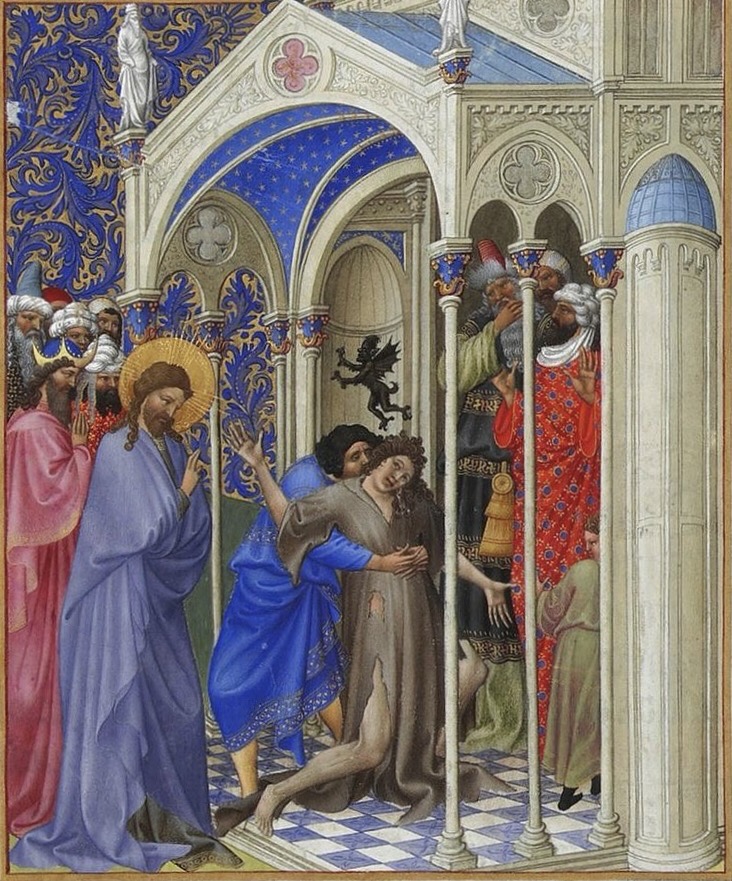
Parable of the Unforgiving Servant; Nicola Sarić.

Jesus warns in the parable of the unforgiving servant that if we do not forgive others from the heart, our heavenly Father will not forgive us. These words are challenging because forgiving is hard. Holding grudges, imagining revenge, or hoping others get what they deserve comes naturally to us. Yet, Jesus calls us to something better.

The heart of the Christian life is forgiveness—God’s extravagant, endless forgiveness. Peter asked if he should forgive seven times, and Jesus answered, “seventy times seven,” meaning without limit. We live in the ongoing flow of Christ’s grace, poured out in Baptism and given in His body and blood in Holy Communion. This is the forgiveness that frees us, and this is the forgiveness we are called to share.

When forgiveness feels impossible, remember that Christ has already paid your unpayable debt. He invites you to place your anger and pain into His hands and live as one who is continually washed in His mercy. Listen to the entire sermon below.

Sin and Death Undone

A sermon for the Twenty-First Sunday after Trinity, by Fr. Dan Suelzle.

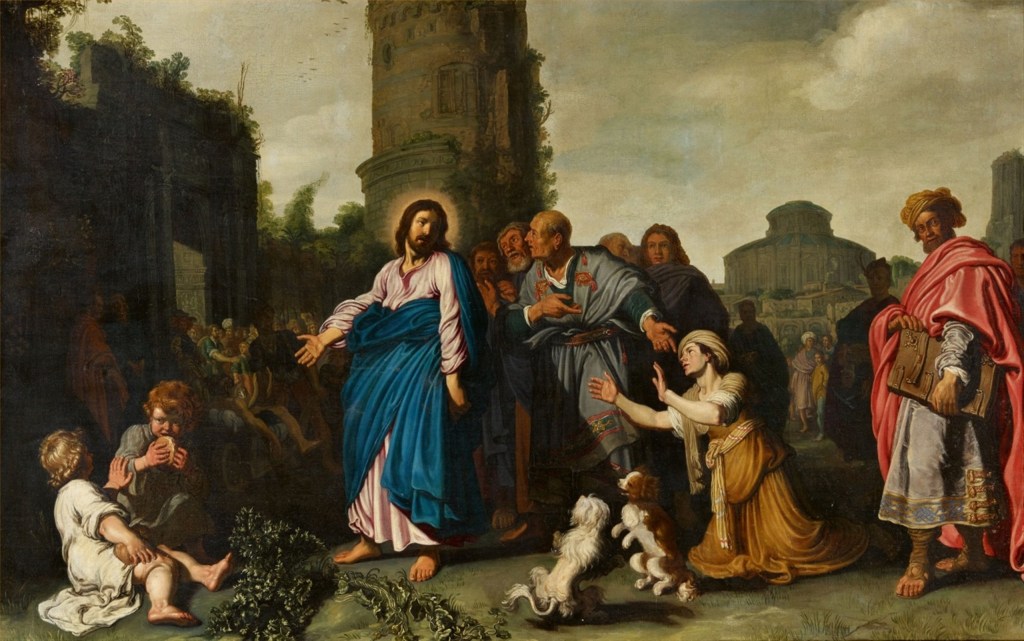
This past Sunday’s sermon draws upon Isaiah’s vision of a future feast on Mount Zion where God will eternally defeat death, which is the consequence of sin. While sin and death are enemies too great for mankind to conquer, Jesus began fulfilling this promise in His earthly ministry. He takes Isaiah’s promise, where sin, suffering, and death are undone, and instantiates it in the present. We see this in the Cana miracle where His powerful Word healed the nobleman’s dying son, offering a “glimpse” of victory over death. However, this sign ultimately pointed to the greater work of Christ’s death and resurrection. He took our sin upon himself, and the grave gladly swallowed him up. But the grave could not contain him and he forever remains the one with authority over death itself. This Word of Christ remains powerfully present in the Church as Christ continues to speak—through absolution, Baptism, and the Eucharist—to deliver forgiveness and eternal life, assuring us that our enemies of sin and death have been vanquished. Listen to the entire sermon below.